In recent years, 3D printing has emerged as a crucial tool across various sectors, from medicine to aerospace. The jewelry industry has also begun to harness this technology, particularly with the use of titanium as an innovative material. In this article, we’ll explore titanium 3D printing, its advantages, applications, and why it’s particularly appealing to those involved in jewelry design and production.
What is titanium 3D printing?
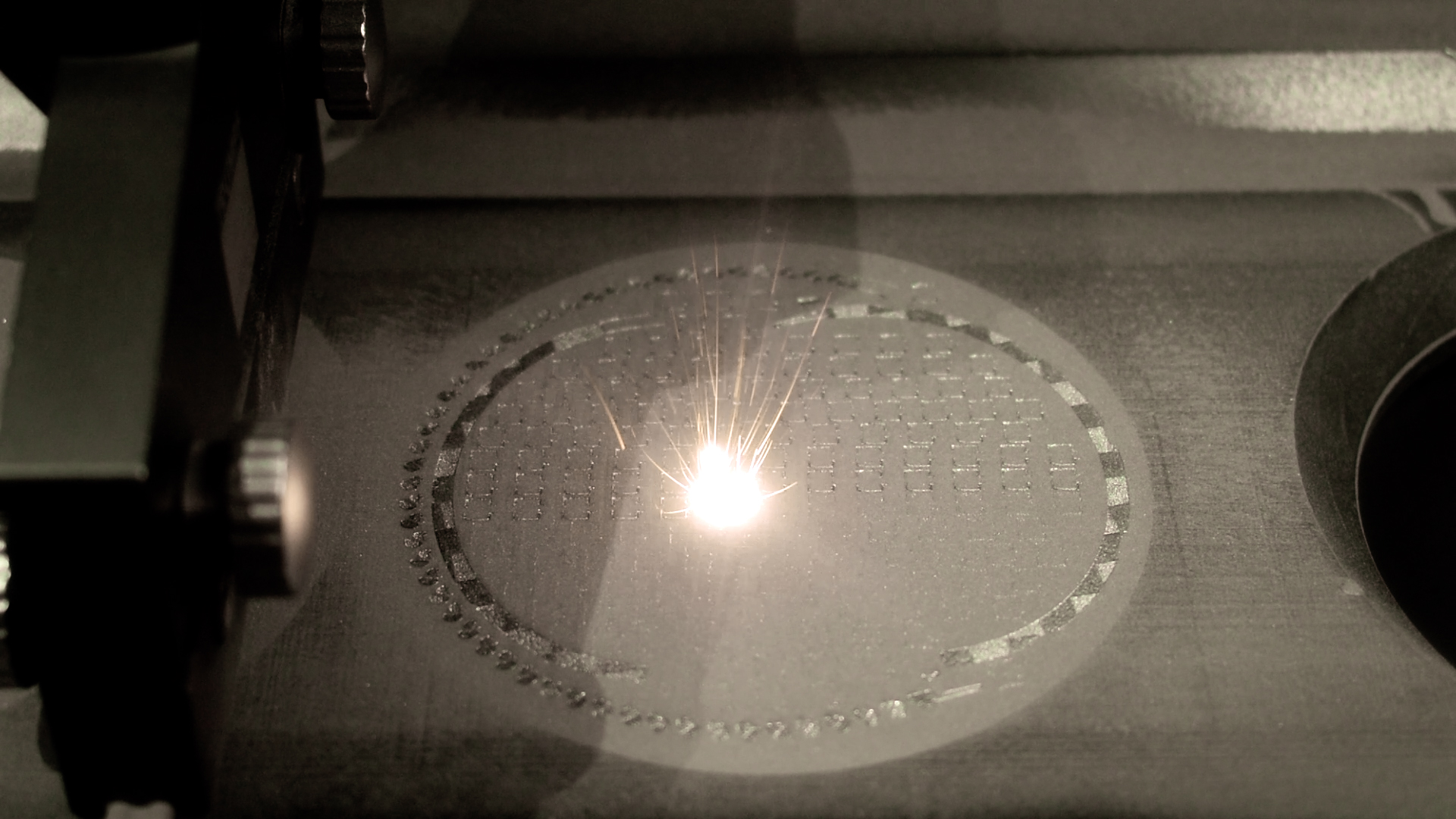
Titanium 3D printing is based on an additive process that creates three-dimensional objects by layering titanium powder. A high-powered laser is used to precisely melt this powder, allowing for the creation of intricate shapes with remarkable accuracy. The process relies on CAD (Computer-Aided Design) models, which transform design concepts into tangible products.
Advantages of titanium 3D printing
Titanium is highly valued for a number of characteristics that set it apart from other metals:
- Strength and lightweight: Titanium boasts a high strength-to-weight ratio, making it ideal for products that require durability without excessive weight.
- Biocompatibility: This material is hypoallergenic, making it perfect for individuals with sensitive skin or allergies to common metals.
- Corrosion resistance: Titanium is resistant to corrosion, even in extreme conditions, ensuring a longer lifespan for products made from it.
- Customizable finishes: 3D printing offers a wide range of finishes, enabling the creation of unique, bespoke pieces.
These qualities make titanium 3D printing applicable across various sectors, from aerospace and biomedical to jewelry.
Why choose titanium for 3D printing in jewelry?
In the jewelry world, 3D-printed titanium is rapidly gaining popularity. Designers are drawn to the creative possibilities it offers, alongside the practical benefits that make titanium an exceptional material for crafting modern and innovative jewelry.
Titanium 3D printing vs. traditional jewelry manufacturing methods
Comparing titanium 3D printing with traditional jewelry manufacturing methods reveals several decisive advantages:
- Speed and precision: Traditional methods, such as casting or manual fabrication, can take a considerable amount of time—often weeks. In contrast, 3D printing can cut production times down to just a few days while maintaining an incredibly high level of precision.
- Waste reduction: Traditional metalworking often results in significant waste, especially when working with precious materials. 3D printing optimizes material use, greatly reducing waste and making the process more sustainable.
- Cost efficiency: While the initial investment in 3D printing technology may seem high, long-term production costs tend to be lower due to reduced waste and quicker production times.
The future of metal 3D printing in jewelry design
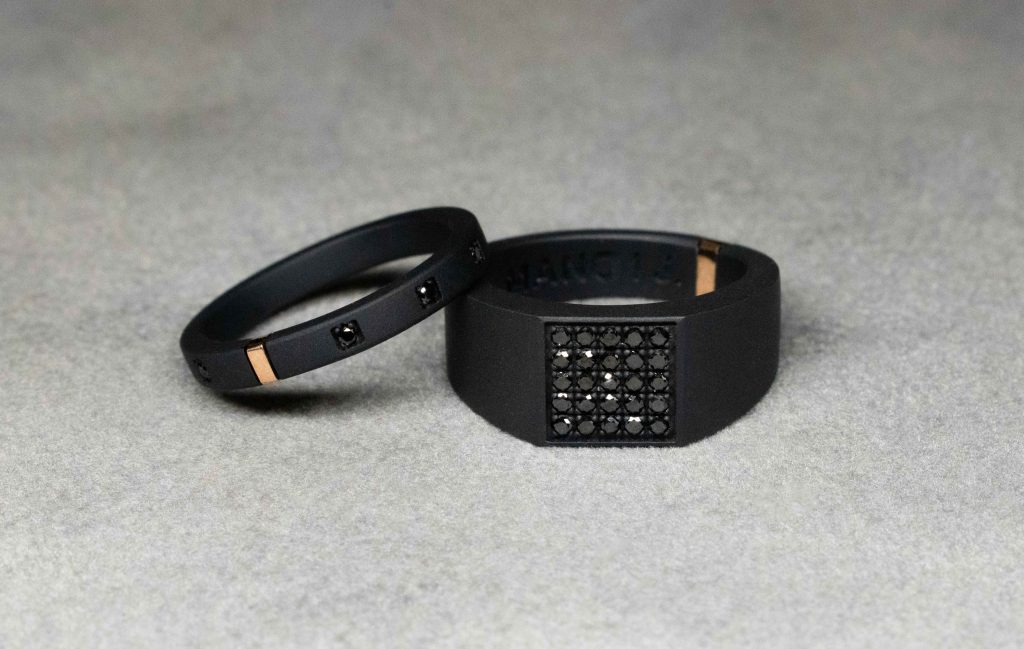
It’s clear that 3D printing with titanium represents one of the most promising technologies in the jewelry industry. Designers can explore new creative horizons by combining titanium with other precious materials like gold and gemstones, resulting in truly unique pieces.
As 3D printing technologies continue to evolve, we can expect an increasing number of jewelry items to be produced using this innovative technique. It not only allows for design freedoms unimaginable with traditional methods but also opens up new opportunities for customization and innovation.
If you’d like to learn more about the process of 3D printing with titanium or explore how this technology can benefit the development of your jewelry line, please fill out the form below to connect with one of our experts.