
In the world of jewelry, innovation allows designers to express their creativity. One of the most fascinating and refined techniques used to create high-quality jewelry is titanium microcasting. This process not only offers unique artistic possibilities but also combines the remarkable properties of titanium, making it an ideal material for crafting durable and valuable pieces.
In this article, we’ll dive into what titanium microcasting is, how it works, and why it’s attracting growing attention in the jewelry industry. If you’re passionate about innovative materials and artisanal processes, get ready to discover a captivating world.
What is microcasting?
Microcasting, also known as lost wax microcasting, is a metalworking method that allows for the creation of objects with extremely precise details. The process starts by crafting a wax model of the jewelry piece. This model is then coated with a ceramic material, which hardens to form a mold.
Here are the key steps of the casting process:
- Creating the wax model: The designer creates the jewelry piece in wax, ensuring all details are flawless.
- Coating the model: The wax model is dipped into a ceramic material, forming a hard shell around it.
- Melting the wax: The ceramic shell is heated, causing the wax to melt and leave behind an empty mold.
- Pouring the titanium: Molten titanium is poured into the mold, taking the shape of the original jewelry piece.
- Removing the mold: Once cooled, the ceramic shell is removed, revealing the titanium jewelry.
This technique allows for intricate details and complex shapes that would be difficult to achieve with traditional methods.
Why choose titanium?
Titanium is an extraordinary material, valued for its unique properties that make it ideal for jewelry. Here are some of the key advantages of using titanium in casting:
- Lightweight: Titanium is surprisingly light, making jewelry comfortable to wear even for extended periods.
- Durability: It’s one of the strongest metals, resistant to impact and corrosion, meaning titanium jewelry retains its beauty over time.
- Hypoallergenic: Titanium is biocompatible, making it ideal for those with sensitive skin or allergies to traditional metals.
- Aesthetic versatility: Titanium can be finished in various ways, from matte to glossy, and even anodized to produce colorful designs.
Applications of titanium microcasting in jewelry
Titanium microcasting has found numerous applications in jewelry, giving rise to unique and innovative pieces. Some of the most common uses include:
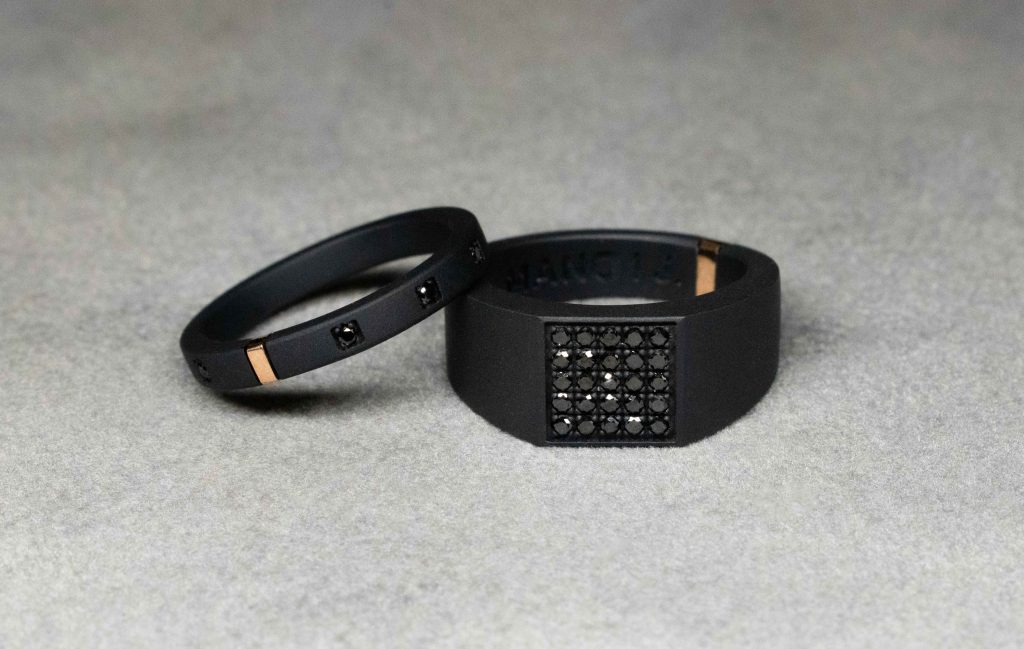
- Rings and wedding bands: Thanks to titanium’s strength and lightness, many couples choose wedding bands in this material, often adorned with intricate details achieved through microcasting.
- Bracelets and necklaces: Designers can create complex shapes and refined details, resulting in jewelry that captures attention and stands out for its elegance and originality.
- Earrings: Microcasting allows for the creation of earrings with unique designs, often combining titanium with other precious stones or materials for striking effects.
The importance of craftsmanship and technology
The process of titanium microcasting is a perfect example of how craftsmanship and technology can come together to create art. Each piece crafted using this technique tells a story, blending tradition with innovation. Jewelry designers can leverage this technology to explore new ideas, shapes, and styles, offering clients personalized and unique pieces.
Discover titanium for your jewelry collection
Interested in exploring the world of titanium microcasting? Get in touch with us! Fill out the form below to connect with one of our experts, who are ready to help you bring your ideas to life and turn them into reality.