The origins of the city of gold
Valenza is known as the “city of gold,” a title earned over more than two centuries of history. Its goldsmithing roots date back to the 19th century, when the first artisan workshops were founded, giving rise to a tradition that would grow and establish itself over time. From those small workshops, Valenza would go on to become an international reference point for the art of fine jewelry.
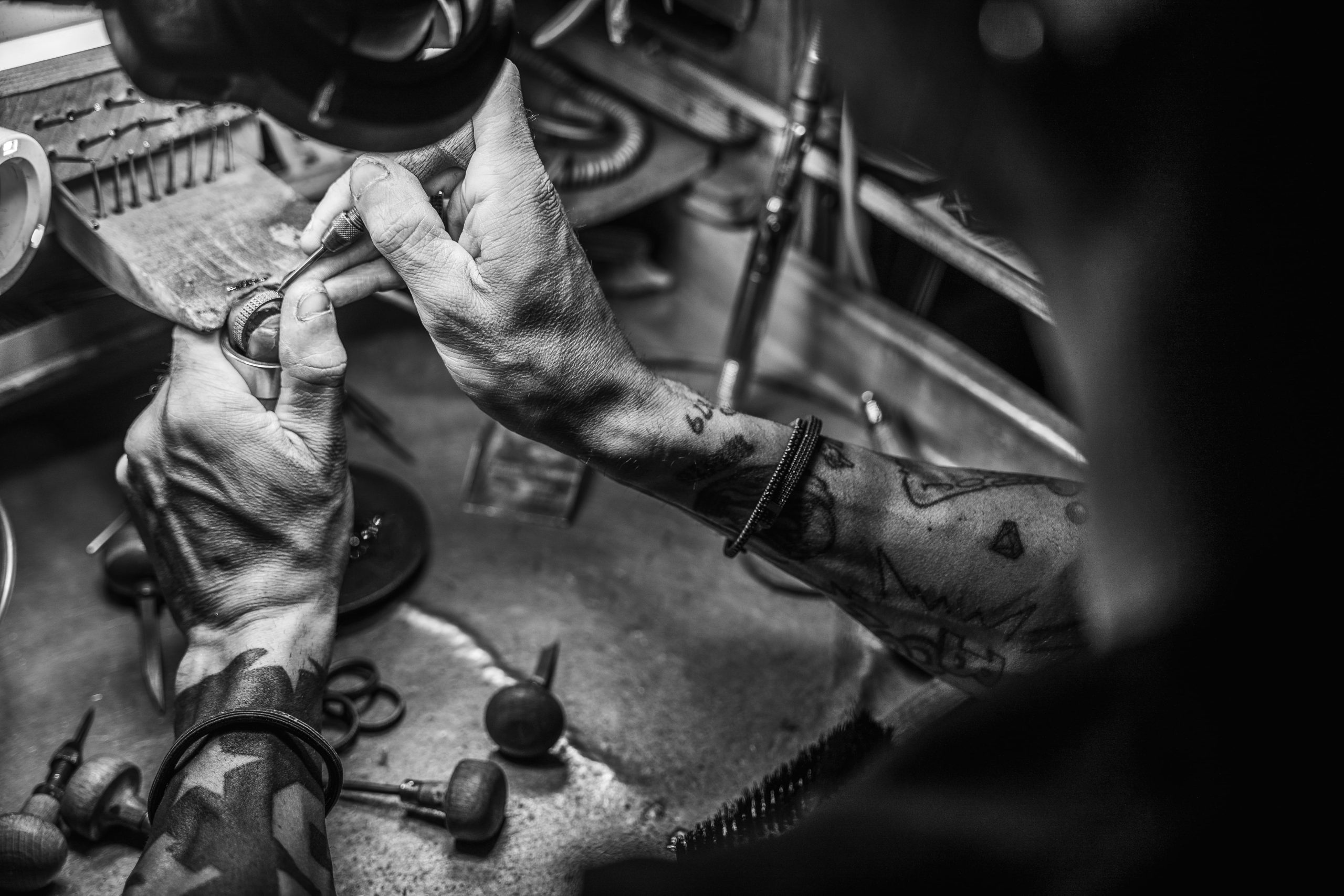
Throughout the 19th and 20th centuries, the city expanded into a unique district within the European landscape. Family-run workshops multiplied, along with the skills of their master goldsmiths. Knowledge passed down from one generation to the next helped define a distinctive style: refinement, attention to detail, and an extraordinary ability to transform gold and precious stones into timeless creations.
In the post-war years, Valenza entered a new phase of growth, boosted by the arrival of leading international maisons that chose the city as the home for their ateliers. The encounter between artisanal tradition and entrepreneurial spirit made Valenza not only a center of production, but also a symbol of Italian craftsmanship. Today its district remains one of the beating hearts of global jewelry, built on the combination of craftsmanship, creativity, and technological innovation.
Innovation and contemporary jewelry
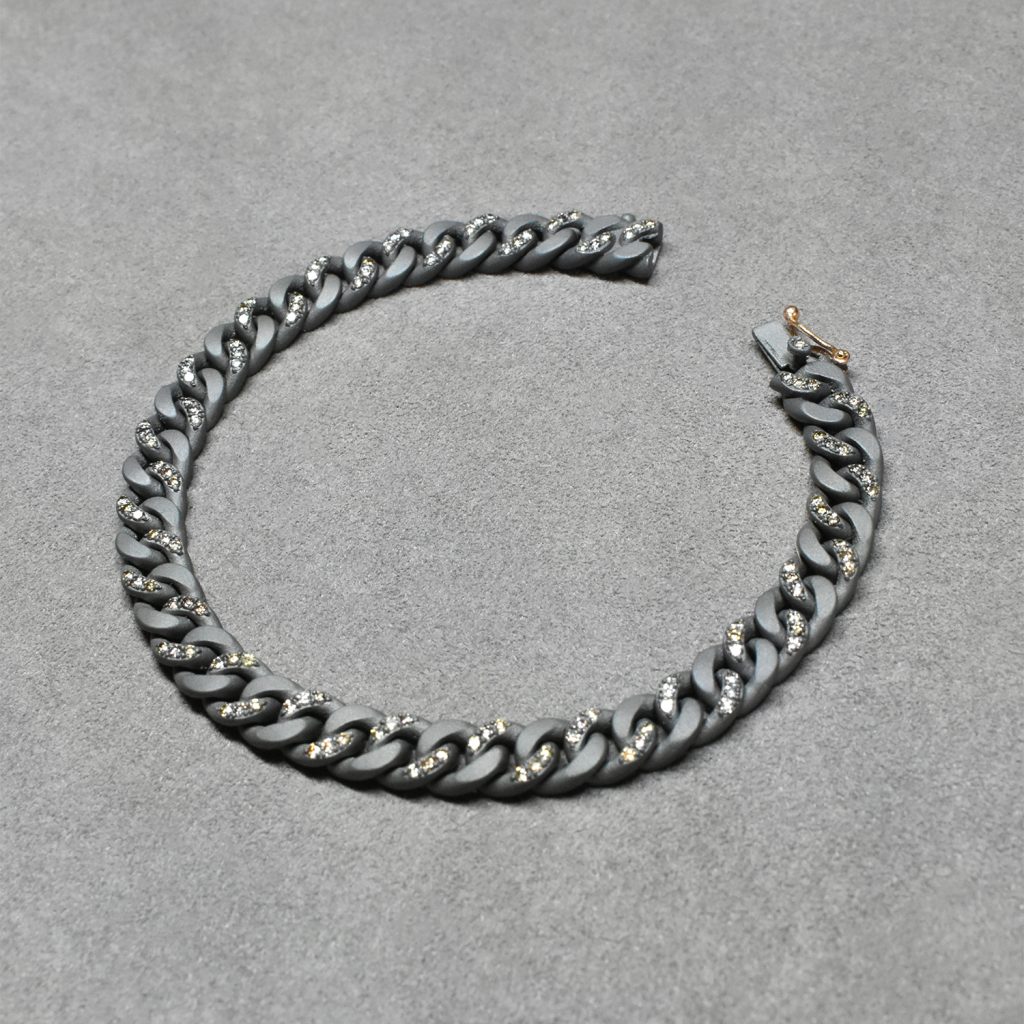
For decades, gold was the undisputed protagonist of this story. In recent years, however, Valenza has opened up to new possibilities. Among them is titanium, a material that has begun to take its place in the city’s workshops. Lightweight, resistant, and with surprising aesthetic potential, titanium presents an exciting challenge for Valenza’s master artisans, who are exploring new techniques to shape it with the same care and precision that have always defined their craft.
The use of titanium does not represent a break with the past, but rather a natural evolution: Valenza’s ability to look ahead while continuing to honor its heritage. Today, the city of gold proves that tradition and innovation can coexist in harmony, confirming its role as a capital not only of gold, but of contemporary jewelry as well.